Aluminum siding has become a popular choice among homeowners due to its durability, resistance to weathering, and relatively low maintenance needs. It’s also a lightweight material, making it easier to handle during installation compared to other types of siding. This guide will walk you through the entire aluminum siding installation process, from understanding the material’s benefits to step-by-step instructions for a successful application. By the end of this article, you’ll have a solid understanding of what aluminum siding installation involves and how to approach it with confidence.
1. Why Choose Aluminum Siding?
Aluminum siding is a practical and durable option, offering several advantages over wood, vinyl, and fiber cement. Some of the benefits include:
- Durability: Aluminum is resistant to rust and corrosion, which makes it an ideal choice for homes in coastal or humid environments. It’s also less prone to cracks or breakage, making it more resilient to impacts.
- Low Maintenance: Unlike wood siding, which requires regular staining or painting, aluminum siding usually only requires periodic cleaning to look its best. Many homeowners find that aluminum siding can last for decades with minimal upkeep.
- Fire Resistance: Aluminum is non-combustible, providing an extra layer of fire safety for the home.
- Environmental Benefits: Aluminum is recyclable, making it an eco-friendly choice. It also provides decent insulation, which can help reduce energy costs.
Choosing aluminum siding is often a long-term investment, and the installation process, when done correctly, ensures that this siding will protect and enhance your home for many years to come.
2. Preparation for Installation
Before starting the installation, it’s essential to prepare the area and ensure you have the right tools. Here’s what you’ll need:
- Tools: Hammer, nails, measuring tape, chalk line, utility knife, circular saw with a metal-cutting blade, metal shears, level, and safety goggles.
- Materials: Aluminum siding panels, corner posts, starter strips, utility trim, J-channel, and caulking material.
- Inspection: Check the wall surface to make sure it’s flat and smooth. Remove any old siding or nails and replace damaged wood sheathing if necessary. For best results, install a moisture barrier (such as a house wrap) before adding aluminum siding.
The foundation for a successful installation lies in proper preparation. Ensuring that all materials and tools are available from the beginning helps prevent delays and mistakes.
3. Step-by-Step Installation Process
Step 1: Install the Moisture Barrier
Before installing aluminum siding, apply a moisture barrier over the sheathing. This protects your walls from moisture and helps with insulation. House wrap or felt paper can serve as an effective moisture barrier. Attach it using a staple gun, and ensure there are no gaps.
Step 2: Install the Starter Strip
The starter strip is crucial for aligning the first row of siding. Begin at the lowest point of the wall and measure up based on the width of your siding panels, making sure the strip is level. Use a chalk line to mark this measurement, then attach the starter strip along this line with nails. Place nails approximately every 16 inches to ensure a secure hold.
Step 3: Attach the Corner Posts
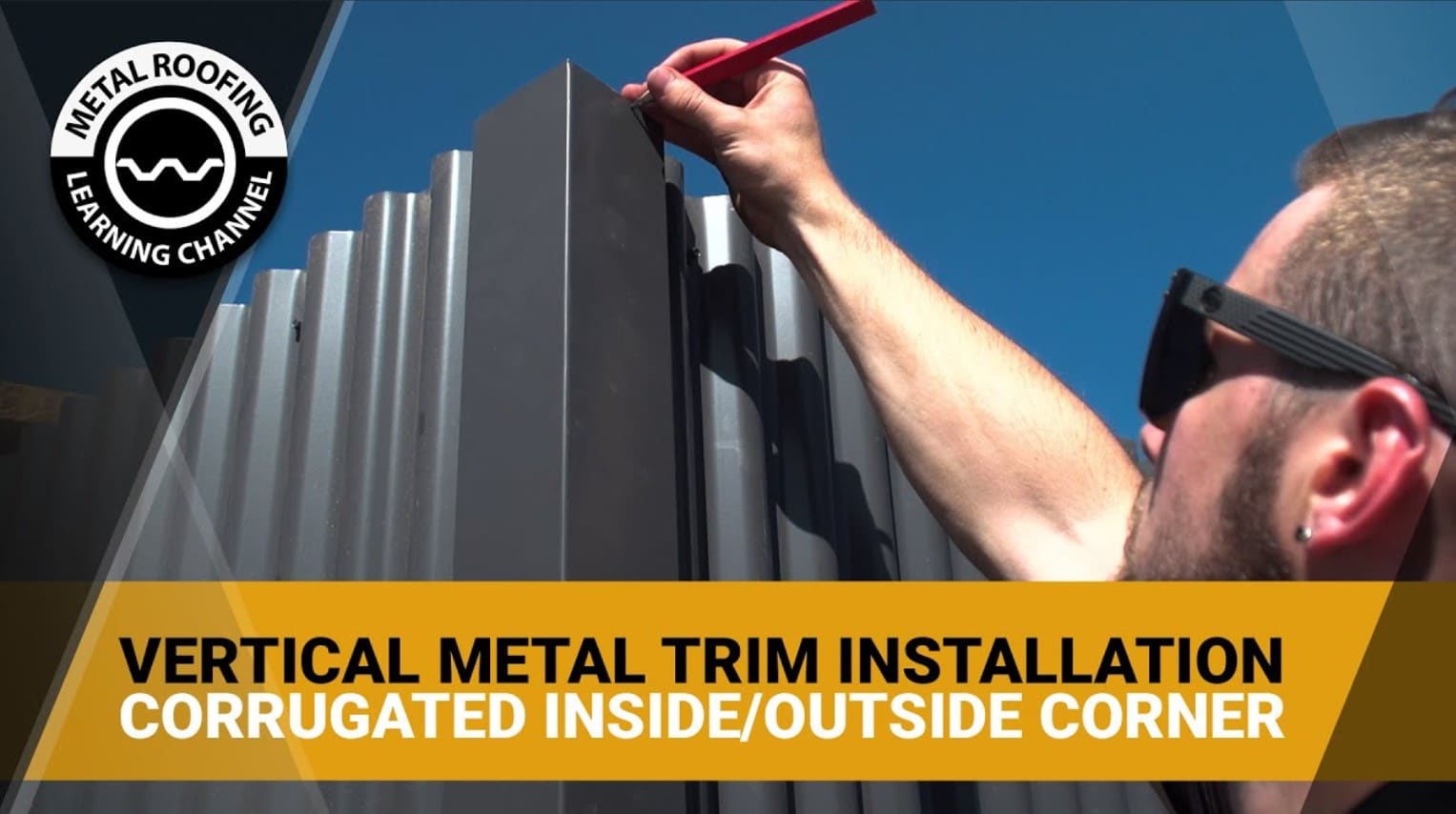
Corner posts provide a finished look and give your siding a place to connect at the edges. Position the corner posts vertically at each corner of the house and nail them securely in place. Ensure they are plumb (vertically straight) using a level, and leave about a ¼-inch gap at the top and bottom for expansion due to temperature changes.
Step 4: Measure and Cut the Siding Panels
Measure the length required for each panel, then use a circular saw or metal shears to cut the panels to size. It’s helpful to cut slightly longer than necessary, as you can trim excess as you fit the panels. Aluminum is prone to bending, so handle panels with care.
Step 5: Attach the Panels
Starting with the bottom panel, lock it into the starter strip and nail it in place. Place nails in the center of the nail slots, about every 16 inches, to allow for slight movement of the siding due to temperature changes. Avoid nailing too tightly; the panels should be secure but able to expand and contract slightly. Each successive row should overlap the previous one to create a seamless look.
Step 6: Install J-Channels Around Openings
J-channels provide a clean edge around windows, doors, and other wall openings. Install J-channels around these areas before attaching the siding panels. Cut the channels to fit around each opening, and make sure they are level and secure.
Step 7: Add Utility Trim and Finish the Top Row
As you reach the top of the wall, the final row of siding will likely need trimming to fit. Cut the panel to the correct width and snap it into a utility trim to hold it securely in place. Use caulking to seal gaps between the siding and trim for a neat finish.
4. Safety Tips for Installation
- Wear Safety Gear: Aluminum siding can have sharp edges, so wear gloves and safety goggles to protect yourself.
- Ladder Safety: If your home has two stories or more, you’ll need a ladder or scaffolding. Always secure the ladder on a stable surface and avoid working alone when at heights.
- Handle Aluminum Carefully: Aluminum is durable when installed but can be dented or scratched during handling. Avoid dropping or hitting the panels against surfaces.
5. Maintenance Tips for Aluminum Siding
One of the best aspects of aluminum siding is its low maintenance. However, periodic care can extend its lifespan and keep it looking its best.
- Cleaning: Wash your aluminum siding at least once a year with a garden hose and a mild detergent. For tougher grime, use a soft-bristled brush.
- Painting: If the color fades over time, aluminum siding can be repainted. Choose a high-quality, latex-based paint and make sure the surface is clean and dry before painting.
- Repairing Dents: Small dents can sometimes be smoothed out by carefully tapping with a rubber mallet. For larger dents, you may need to replace the affected panel.
6. Common Challenges and Troubleshooting
While aluminum siding installation is relatively straightforward, some challenges can arise. Here are some common issues and solutions:
- Expansion and Contraction: Aluminum siding expands and contracts with temperature changes. Avoid over-nailing and leave a slight gap between panels to accommodate this movement.
- Panel Warping: Improper installation, such as nailing too tightly, can cause the panels to warp. Follow nailing guidelines to ensure flexibility.
- Weather Issues: Aluminum siding installation is best done in mild weather. Cold temperatures can make the panels more brittle, while high temperatures can cause expansion, making installation difficult.
7. Cost Considerations
The cost of installing aluminum siding varies depending on the size of the home, the quality of the siding, and whether you hire a professional or do it yourself. On average, aluminum siding costs between $2 and $5 per square foot for materials, with an additional $1 to $3 per square foot if you opt for professional installation. While the initial cost may be higher than vinyl siding, aluminum’s durability and low maintenance can make it a cost-effective choice over time.
8. Is DIY Installation Right for You?
While DIY installation can save on labor costs, it requires time, patience, and attention to detail. Aluminum siding installation involves measuring, cutting, and securing panels in place, so basic carpentry skills are helpful. If you’re comfortable using the required tools and following precise measurements, DIY installation may be feasible. However, for those without prior experience, hiring a professional can ensure a high-quality, lasting installation.
Conclusion
Aluminum siding installation is a valuable home improvement project that provides durability, energy efficiency, and a visually appealing finish. By following a systematic approach, you can successfully install aluminum siding and enjoy its benefits for many years. Whether you choose to DIY or hire a professional, understanding the installation process and proper maintenance practices will help you maximize your investment.
Read More :