Category: Outdoor

  • High Quality Outdoor Furniture A Guide to Comfort and Style

    High quality outdoor furniture sets the stage for creating a comfortable and stylish outdoor space. Investing in durable, weather-resistant pieces allows you to enjoy the beauty of your backyard or patio for years to come. Whether you’re seeking a cozy seating area for relaxing evenings or a spacious dining set for al fresco meals, there’s a wide range of options available to suit every taste and budget.

    From the materials used to the craftsmanship and design, high-quality outdoor furniture is built to withstand the elements and provide lasting comfort. This guide explores the key factors to consider when choosing outdoor furniture, including materials, styles, maintenance, and how to create a welcoming outdoor oasis.

    What Makes Outdoor Furniture High Quality?

    Investing in high-quality outdoor furniture is a wise decision that ensures enjoyment for years to come. Understanding what makes outdoor furniture truly high-quality will help you make informed choices that meet your needs and enhance your outdoor spaces.

    Materials and Their Importance

    The materials used in outdoor furniture construction play a crucial role in determining its quality, durability, and longevity. High-quality outdoor furniture utilizes materials that are specifically chosen for their resilience against the elements and their ability to withstand wear and tear.

    • Weather Resistance: Outdoor furniture faces constant exposure to sun, rain, snow, and temperature fluctuations. Materials like teak, aluminum, and synthetic wicker are highly resistant to moisture, UV rays, and fading, ensuring they maintain their appearance and structural integrity over time.
    • Durability: Outdoor furniture should be robust enough to handle everyday use and withstand the rigors of outdoor environments. Materials like wrought iron, stainless steel, and high-density polyethylene are known for their strength and resistance to scratching, dents, and warping.
    • Sustainability: Choosing sustainable materials is essential for environmentally conscious consumers. Teak, a naturally durable hardwood, is a sustainable choice when sourced responsibly from certified forests. Recycled aluminum and eco-friendly synthetic wicker options also contribute to a greener footprint.

    Craftsmanship and Construction Techniques

    The craftsmanship and construction techniques employed in building outdoor furniture are equally important for its quality and longevity. Meticulous attention to detail and robust construction methods ensure that furniture withstands the challenges of outdoor use.

    • Joints and Connections: High-quality outdoor furniture features strong, well-constructed joints and connections that are resistant to loosening and wear. Mortise and tenon joints, welded seams, and reinforced corners are examples of robust construction techniques that contribute to furniture stability and longevity.
    • Finishes and Coatings: Finishes and coatings protect outdoor furniture from the elements and enhance its appearance. Powder-coated finishes provide a durable, weather-resistant barrier, while teak oil nourishes and protects the wood’s natural beauty. High-quality finishes and coatings contribute to the furniture’s overall longevity and aesthetic appeal.
    • Quality Control: Reputable manufacturers employ rigorous quality control measures to ensure that each piece of furniture meets high standards. From material selection to final inspection, every stage of the production process is carefully monitored to guarantee durability, functionality, and aesthetic excellence.

    Types of High-Quality Outdoor Furniture

    Investing in high-quality outdoor furniture is an excellent way to enhance your outdoor space and create a comfortable and stylish environment for relaxation, entertaining, or simply enjoying the fresh air. There are numerous types of high-quality outdoor furniture available, each with its own unique features, benefits, and drawbacks. Understanding these different types can help you choose the best options for your needs and preferences.

    Seating Options

    Outdoor seating is essential for creating a comfortable and inviting space. From classic chairs to modern loungers, there’s a wide variety of options to choose from.

    • Chairs: Classic chairs are a versatile option for outdoor seating, offering a comfortable and traditional feel. They can be made from various materials, including wood, metal, wicker, and plastic.
    • Lounge Chairs: Lounge chairs are designed for ultimate relaxation, with their wide, padded seats and adjustable backrests. They are often made from materials like aluminum, wicker, or fabric.
    • Benches: Benches provide a simple and practical seating option, often made from wood, metal, or stone. They can be used in a variety of settings, from patios to gardens.
    • Swings: Swings are a fun and whimsical addition to any outdoor space. They can be made from various materials, including wood, metal, and rope, and are available in single, double, and even triple sizes.

    Dining Sets

    Outdoor dining sets are a must-have for any homeowner who loves to entertain. They allow you to enjoy meals and gatherings under the open sky.

    • Table and Chairs: Traditional dining sets typically consist of a table and a set of matching chairs. They are available in a wide range of styles, materials, and sizes, making them suitable for both small and large spaces.
    • Picnic Tables: Picnic tables offer a casual and rustic dining option. They are often made from wood and can be found in various sizes, including those with benches or chairs.
    • Counter Height Sets: Counter height sets feature tables and chairs that are taller than standard dining sets. They are a popular choice for outdoor kitchens and bar areas, providing a more casual and social dining experience.

    Lounge Furniture

    Lounge furniture is designed for comfort and relaxation. It’s perfect for creating a cozy and inviting atmosphere in your outdoor space.

    • Sectional Sofas: Sectional sofas offer flexibility and modularity, allowing you to create a variety of seating configurations to suit your needs. They are often made from materials like aluminum, wicker, or fabric.
    • Outdoor Couches: Outdoor couches provide a comfortable and stylish seating option for lounging. They are typically made from materials like aluminum, wicker, or fabric, and can be paired with matching ottomans or coffee tables.
    • Daybeds: Daybeds are a versatile piece of furniture that can be used for lounging, sleeping, or even as a sunbathing spot. They are often made from wood, metal, or wicker, and can be found in various sizes and styles.

    Other Types of Furniture

    In addition to seating and dining sets, there are other types of high-quality outdoor furniture that can enhance your outdoor space.

    • Fire Pits: Fire pits are a popular addition to outdoor spaces, providing warmth, ambiance, and a gathering point for friends and family. They can be made from various materials, including stone, metal, and concrete.
    • Outdoor Bars: Outdoor bars are a great way to create a social and entertaining atmosphere. They can be made from various materials, including wood, metal, and concrete, and can be equipped with bar stools or chairs.
    • Outdoor Storage: Outdoor storage is essential for keeping your outdoor space organized and clutter-free. It can be used to store cushions, pillows, tools, and other items. Outdoor storage options include chests, cabinets, and sheds.

    Materials for High-Quality Outdoor Furniture

    The durability and longevity of your outdoor furniture depend heavily on the materials used in its construction. Understanding the characteristics and maintenance requirements of different materials will help you make informed decisions about your investment.

    Teak Wood

    Teak wood is a popular choice for high-quality outdoor furniture due to its natural resistance to decay, insects, and weather. Its rich golden hue and natural oils make it beautiful and durable.

    • Strengths:
      • Naturally resistant to decay, insects, and weather
      • Beautiful golden hue and natural oils
      • Durable and long-lasting
      • Can be oiled to enhance its natural beauty and protect it from the elements
    • Weaknesses:
      • Expensive
      • Requires regular maintenance, including oiling and cleaning
      • Can become slippery when wet
    • Maintenance:
      • Regular cleaning with mild soap and water
      • Oiling every few months to prevent drying and cracking
      • Covering during harsh weather conditions

    Aluminum, High quality outdoor furniture

    Aluminum is a lightweight and durable metal that is often used in outdoor furniture. Its resistance to rust and corrosion makes it ideal for outdoor use.

    • Strengths:
      • Lightweight and easy to move
      • Resistant to rust and corrosion
      • Durable and long-lasting
      • Available in a variety of styles and finishes
    • Weaknesses:
      • Can become hot in direct sunlight
      • Can dent or scratch easily
      • May require powder coating for added protection
    • Maintenance:
      • Regular cleaning with mild soap and water
      • Applying a protective sealant to prevent scratches and fading

    Wicker

    Wicker furniture is known for its classic, elegant look. It is typically made from woven rattan, bamboo, or synthetic materials.

    • Strengths:
      • Lightweight and easy to move
      • Stylish and elegant
      • Comfortable and breathable
      • Available in a variety of styles and colors
    • Weaknesses:
      • Can be fragile and prone to damage
      • Requires regular cleaning and maintenance
      • May not be as durable as other materials
    • Maintenance:
      • Regular dusting and cleaning with a damp cloth
      • Covering during harsh weather conditions
      • Avoiding exposure to direct sunlight and excessive moisture

    Synthetic Materials

    Synthetic materials, such as resin, polyethylene, and PVC, are becoming increasingly popular for outdoor furniture. These materials are often designed to mimic the look and feel of natural materials, while offering enhanced durability and low maintenance.

    • Strengths:
      • Durable and long-lasting
      • Resistant to weather, fading, and staining
      • Easy to clean and maintain
      • Available in a wide range of colors and styles
    • Weaknesses:
      • May not be as aesthetically pleasing as natural materials
      • Can become brittle or crack over time
      • May not be as environmentally friendly as natural materials
    • Maintenance:
      • Regular cleaning with mild soap and water
      • Covering during harsh weather conditions

    Investing in High-Quality Outdoor Furniture

    Investing in high-quality outdoor furniture is a smart decision that offers numerous long-term benefits, both aesthetically and practically. While the initial cost might seem higher, the durability, comfort, and longevity of these pieces make them a worthwhile investment that will enhance your outdoor space for years to come.

    Cost Comparison of High-Quality Outdoor Furniture

    Understanding the cost variations of different high-quality outdoor furniture options can help you make an informed decision that aligns with your budget. Here’s a table that provides a general comparison of costs for various materials:

    Material Average Cost Range
    Teak Wood $1,000 – $5,000+
    Aluminum $500 – $2,000
    Wrought Iron $600 – $3,000
    Synthetic Wicker $400 – $1,500

    It’s important to note that these are just estimates and actual costs can vary based on factors like size, design, brand, and retailer.

    Long-Term Value and Benefits of High-Quality Furniture

    Investing in high-quality outdoor furniture offers significant long-term value and benefits, including:

    • Durability and Longevity: High-quality materials and construction ensure your furniture withstands the elements, reducing the need for frequent replacements. This translates to long-term savings and enjoyment of your investment.
    • Comfort and Relaxation: High-quality furniture is designed with comfort in mind, providing a relaxing and enjoyable experience for you and your guests. This can significantly enhance your outdoor living experience.
    • Aesthetic Appeal: High-quality outdoor furniture elevates the aesthetic appeal of your outdoor space, creating a stylish and inviting ambiance. This can increase the overall value of your property.
    • Environmental Sustainability: Investing in durable furniture reduces the need for frequent replacements, minimizing waste and promoting sustainability.

    Factors to Consider When Choosing Outdoor Furniture for a Specific Budget

    When choosing high-quality outdoor furniture within a specific budget, it’s essential to consider the following factors:

    • Material: Determine the most suitable material based on your needs, budget, and desired aesthetic. For example, if you prioritize durability and a natural look, teak wood might be a good choice. Aluminum is a lightweight and rust-resistant option, while synthetic wicker offers a comfortable and stylish alternative.
    • Style and Design: Choose a style that complements your existing outdoor decor and meets your functional needs. Consider the size and shape of the furniture to ensure it fits comfortably in your space.
    • Maintenance Requirements: Understand the maintenance needs of different materials to ensure you can keep your furniture looking its best. Some materials require more upkeep than others.
    • Functionality: Consider the specific functions you need from your outdoor furniture. For example, do you need a dining set, lounge chairs, or a combination of both?
    • Warranty: A good warranty provides peace of mind and protection against defects.

    Caring for High-Quality Outdoor Furniture

    Investing in high-quality outdoor furniture is a significant step towards creating a comfortable and stylish outdoor space. However, to ensure your investment lasts for years to come, proper care and maintenance are essential. Just like any other valuable possession, your outdoor furniture needs attention to withstand the elements and maintain its beauty.

    Regular Cleaning and Protection

    Regular cleaning is crucial to prevent dirt, grime, and debris from accumulating on your outdoor furniture. This not only maintains its aesthetic appeal but also helps protect the materials from damage.

    • Dusting: Regularly dust your furniture with a soft cloth or brush to remove loose dirt and debris. This simple step prevents the buildup of grime that can eventually damage the finish.
    • Washing: Depending on the material, you can use a mild soap and water solution to clean your furniture. For delicate materials, consult the manufacturer’s instructions for specific cleaning recommendations.
    • Protecting from the elements: Outdoor furniture is exposed to harsh weather conditions, including sun, rain, and wind. To protect your investment, consider using a waterproof cover when not in use.

    Storing Outdoor Furniture

    Storing your outdoor furniture during winter or periods of inclement weather is essential to prevent damage and extend its lifespan.

    • Cleaning before storage: Before storing your furniture, clean it thoroughly to remove any dirt, grime, or debris that could attract pests or cause damage.
    • Choosing the right storage space: Select a dry and well-ventilated space to store your furniture. A garage, shed, or covered patio are ideal options.
    • Protecting from moisture: Ensure the storage space is dry and free from moisture. Moisture can lead to mold, mildew, and rust, damaging your furniture.
    • Proper stacking: When stacking furniture, place cushions and pillows on top to protect the furniture from scratches and dents.

    Creating a Comfortable and Stylish Outdoor Space: High Quality Outdoor Furniture

    Transforming your outdoor area into a haven of comfort and style is an art that involves thoughtful planning and a keen eye for detail. With high-quality outdoor furniture as your foundation, you can create an inviting space where you can relax, entertain, and enjoy the beauty of nature.

    Arranging Furniture for Comfort and Flow

    The arrangement of your furniture plays a crucial role in creating a comfortable and inviting outdoor space. Here are some tips to guide your design:

    • Define Zones: Divide your outdoor area into distinct zones based on their intended use. For example, create a seating area for relaxation, a dining area for meals, and a play area for children.
    • Consider Traffic Flow: Ensure that pathways are clear and unobstructed, allowing for easy movement between zones. Avoid placing furniture in high-traffic areas.
    • Group Furniture for Conversation: Arrange seating pieces in intimate groupings, encouraging conversation and social interaction.
    • Balance Scale and Proportion: Pay attention to the size and scale of your furniture in relation to the space. Avoid overcrowding or creating a cramped feel.
    • Incorporate Focal Points: Create visual interest by incorporating focal points, such as a fire pit, a water feature, or a stunning view.

    Enhancing Aesthetics with Accessories and Decor

    Accessories and decor can elevate the overall aesthetic of your outdoor space, adding personality and charm.

    • Outdoor Rugs: Define areas and add warmth and texture with outdoor rugs. Choose materials that are weather-resistant and durable.
    • Throw Pillows and Cushions: Introduce pops of color, pattern, and comfort with throw pillows and cushions. Opt for fabrics that are fade-resistant and water-repellent.
    • Outdoor Lighting: Create ambiance and extend the use of your outdoor space into the evening with strategically placed lighting. Consider string lights, lanterns, or solar-powered fixtures.
    • Planters and Greenery: Incorporate plants and flowers to add life, color, and fragrance. Choose varieties that are suited to your climate and soil conditions.
    • Outdoor Art: Display sculptures, paintings, or wall art to create visual interest and express your personal style.

    The Importance of Lighting and Landscaping

    Lighting and landscaping play a vital role in creating a harmonious outdoor setting.

    • Layered Lighting: Use a combination of ambient, task, and accent lighting to create a balanced and inviting atmosphere. Ambient lighting provides overall illumination, task lighting illuminates specific areas, and accent lighting highlights features.
    • Landscaping for Functionality and Aesthetics: Consider the function and aesthetics of your landscaping. Choose plants that thrive in your climate and soil conditions. Create pathways, patios, and seating areas that blend seamlessly with the natural surroundings.
    • Water Features: Add a calming and relaxing element to your outdoor space with a water feature, such as a fountain, pond, or waterfall.

    Choosing high-quality outdoor furniture is an investment in both comfort and style. By carefully considering your needs, budget, and the design aesthetic of your outdoor space, you can create a haven for relaxation and entertainment that you’ll enjoy for years to come. With proper care and maintenance, your outdoor furniture will continue to provide a beautiful and functional backdrop for creating lasting memories with friends and family.

    FAQ Insights

    What are some popular styles of outdoor furniture?

    Outdoor furniture comes in a variety of styles, from modern and minimalist to traditional and rustic. Popular styles include contemporary, farmhouse, coastal, and tropical. The best style for your space will depend on your personal preferences and the overall design of your home.

    How do I clean and maintain my outdoor furniture?

    Regular cleaning and maintenance are essential for keeping your outdoor furniture looking its best. Refer to the manufacturer’s instructions for specific cleaning recommendations for your furniture’s material. General tips include using mild soap and water, avoiding harsh chemicals, and storing your furniture during inclement weather.

    What is the best material for outdoor furniture?

    The best material for outdoor furniture depends on your needs and preferences. Popular materials include teak, aluminum, wicker, and synthetic materials. Teak is known for its durability and natural beauty, while aluminum is lightweight and rust-resistant. Wicker offers a classic look and feel, and synthetic materials provide a low-maintenance option.

  • Weather Resistant Siding Protecting Your Home from the Elements

    Weather resistant siding is a crucial investment for any homeowner, safeguarding your home from harsh weather conditions and enhancing its curb appeal. It’s not just about aesthetics, though – choosing the right siding can significantly impact your home’s energy efficiency, longevity, and overall value. From traditional wood siding to modern composite options, there’s a wide array of weather resistant siding materials available, each offering unique advantages and considerations.

    This comprehensive guide delves into the world of weather resistant siding, exploring its various types, installation techniques, maintenance tips, and environmental impact. We’ll help you navigate the decision-making process, equipping you with the knowledge to choose the best siding for your specific needs and preferences.

    Introduction to Weather Resistant Siding

    Weather resistant siding is an exterior cladding material designed to withstand the harsh elements of nature, protecting your home from rain, snow, wind, and sun damage. It is a crucial component of any home’s exterior, ensuring long-lasting durability and aesthetic appeal.

    Weather resistant siding offers several advantages over traditional siding materials. These benefits make it a popular choice for homeowners looking to improve their home’s protection and longevity.

    Types of Weather Resistant Siding

    Weather resistant siding is available in a variety of materials, each offering unique properties and benefits.

    • Vinyl siding: Vinyl siding is a popular choice due to its affordability, low maintenance requirements, and durability. It is available in a wide range of colors and styles, making it a versatile option for any home.
    • Fiber cement siding: Fiber cement siding is a composite material made from cement, cellulose fibers, and sand. It is known for its durability, fire resistance, and resistance to moisture and insects. Fiber cement siding can be painted to match any color scheme.
    • Wood siding: While traditional wood siding requires more maintenance, it offers a classic and timeless look. It is available in various wood types, including cedar, redwood, and pine, each with its unique characteristics.
    • Metal siding: Metal siding is a durable and low-maintenance option. It is available in various metals, such as aluminum, steel, and copper, each with its unique advantages. Metal siding is often used for modern and contemporary homes.
    • Stone and brick siding: Stone and brick siding are known for their durability, beauty, and longevity. They are often used for high-end homes and can significantly increase the value of a property.

    Types of Weather Resistant Siding

    Weather-resistant siding is an essential component of any home’s exterior, protecting it from the elements and enhancing its curb appeal. There are numerous types of siding available, each with its own unique characteristics, advantages, and disadvantages. This section will delve into the different types of weather-resistant siding, categorizing them based on their materials and highlighting their key features.

    Fiber Cement Siding

    Fiber cement siding is a popular choice for homeowners seeking a durable and low-maintenance option. It is composed of a blend of Portland cement, cellulose fibers, and other additives. This unique composition gives fiber cement siding its strength, resistance to fire, moisture, and insects, making it a highly durable choice for exterior cladding.

    • Advantages:
      • High durability and longevity
      • Fire-resistant and insect-resistant
      • Low maintenance requirements
      • Wide range of colors and styles available
    • Disadvantages:
      • Higher initial cost compared to other siding options
      • Can be susceptible to cracking if not installed properly
      • Requires professional installation

    Popular brands of fiber cement siding include James Hardie, Nichiha, and CertainTeed. These brands offer a variety of styles, colors, and textures to suit diverse architectural preferences.

    Vinyl Siding

    Vinyl siding is a cost-effective and readily available option for homeowners seeking a weather-resistant and low-maintenance exterior cladding. It is made from polyvinyl chloride (PVC), a durable and weather-resistant material.

    • Advantages:
      • Affordable and readily available
      • Low maintenance requirements
      • Durable and weather-resistant
      • Wide range of colors and styles available
    • Disadvantages:
      • Can fade or become brittle in direct sunlight
      • Not as durable as other siding options
      • Can be susceptible to dents and scratches

    Some of the most popular brands of vinyl siding include CertainTeed, Mastic, and James Hardie. These brands offer a wide range of styles, colors, and textures to suit diverse architectural preferences.

    Wood Siding

    Wood siding is a traditional and aesthetically pleasing option for homeowners seeking a natural and rustic look. It is made from various types of wood, including cedar, redwood, and pine.

    • Advantages:
      • Natural and aesthetically pleasing
      • Can be stained or painted to match any style
      • Provides excellent insulation
    • Disadvantages:
      • Requires regular maintenance, including staining or painting
      • Susceptible to rot, insects, and fire
      • Can be expensive

    Popular brands of wood siding include LP Building Products, Weyerhaeuser, and West Fraser. These brands offer a variety of wood species and styles to suit diverse architectural preferences.

    Metal Siding

    Metal siding is a durable and low-maintenance option for homeowners seeking a modern and sleek look. It is made from various types of metal, including aluminum, steel, and copper.

    • Advantages:
      • Highly durable and long-lasting
      • Fire-resistant and insect-resistant
      • Low maintenance requirements
      • Wide range of colors and styles available
    • Disadvantages:
      • Can be noisy in high winds
      • Can be susceptible to dents and scratches
      • Can be expensive

    Popular brands of metal siding include Alcoa, MBCI, and ATAS. These brands offer a variety of metal types, colors, and styles to suit diverse architectural preferences.

    Stone Siding

    Stone siding is a luxurious and durable option for homeowners seeking a natural and elegant look. It is made from various types of stone, including granite, marble, and limestone.

    • Advantages:
      • Natural and elegant appearance
      • Highly durable and long-lasting
      • Excellent insulation
    • Disadvantages:
      • Can be expensive
      • Requires professional installation
      • Heavy and can put stress on the foundation

    Popular brands of stone siding include Eldorado Stone, Cultured Stone, and StoneCraft. These brands offer a variety of stone types, colors, and styles to suit diverse architectural preferences.

    Factors to Consider When Choosing Weather Resistant Siding

    Choosing the right weather-resistant siding for your home is a significant decision that involves careful consideration of several factors. This will ensure your investment not only enhances the curb appeal of your home but also provides long-term protection against the elements.

    Climate and Weather Conditions

    The climate and weather conditions of your location play a crucial role in determining the best type of siding for your home. Consider the following aspects:

    • Temperature Extremes: Extreme temperatures, whether hot or cold, can affect the expansion and contraction of siding materials. Some materials are more resilient to temperature fluctuations than others. For instance, vinyl siding is known for its ability to withstand temperature changes, while wood siding may require more maintenance in extreme climates.
    • Humidity and Moisture: High humidity and moisture levels can contribute to the growth of mold and mildew, particularly on wood siding. Siding materials like fiber cement and vinyl are more resistant to moisture damage.
    • Wind and Rain: Areas prone to strong winds and heavy rainfall require siding that can withstand these forces. Certain types of siding, such as engineered wood siding, offer greater resistance to wind and rain compared to traditional wood siding.
    • Snow and Ice: In regions with heavy snowfall and ice accumulation, consider siding materials that are resistant to damage from ice and snow loads. Fiber cement siding is a good option for such climates.

    Budget and Cost Considerations

    Siding options vary significantly in price, ranging from budget-friendly to premium choices. Understanding your budget constraints is essential for narrowing down the options:

    • Initial Cost: Vinyl siding is generally the most affordable option, followed by fiber cement and engineered wood siding. While wood siding can be aesthetically appealing, it is often the most expensive option.
    • Installation Costs: Installation costs can vary depending on the complexity of the project and the siding material chosen. Professional installation is recommended to ensure proper installation and longevity of the siding.
    • Maintenance Costs: Some siding materials require more maintenance than others. For instance, wood siding needs regular painting or staining to protect it from the elements, while vinyl siding is relatively low-maintenance.

    Aesthetic Preferences and Design Considerations

    Siding plays a significant role in the overall aesthetics of your home. Consider the following factors:

    • Style and Color: Choose a siding style and color that complements the architectural style of your home and your personal preferences. Vinyl siding offers a wide range of colors and styles, while fiber cement siding provides a more traditional look.
    • Texture and Finish: Siding comes in various textures and finishes, such as smooth, woodgrain, and stone-like. The texture and finish can influence the overall appearance and feel of your home.
    • Trim and Accents: Consider using trim and accents to enhance the visual appeal of your siding. These elements can add architectural detail and create visual interest.

    Maintenance Requirements and Lifespan

    The maintenance requirements and lifespan of siding materials vary significantly. Consider the following factors:

    • Cleaning and Washing: Vinyl siding is generally easy to clean with soap and water, while wood siding may require more frequent cleaning and repainting.
    • Repairs and Replacements: Some siding materials are more prone to damage and require more frequent repairs or replacements. For instance, wood siding can be susceptible to rot and insect damage.
    • Warranty and Guarantee: Many siding manufacturers offer warranties or guarantees on their products. Review the terms and conditions of the warranty to understand the coverage and limitations.

    Installation and Maintenance of Weather Resistant Siding

    Installing weather-resistant siding is a significant investment in your home’s protection and aesthetics. Proper installation ensures the siding performs optimally, while regular maintenance extends its lifespan and preserves its beauty.

    Installation of Weather Resistant Siding

    The installation process for weather-resistant siding varies depending on the material chosen. However, some general steps apply across most types.

    • Preparation: Before starting, ensure the existing siding is removed, and the underlying wall is inspected for damage or rot. Repair any issues before installing the new siding.
    • Framing: Install furring strips or a house wrap to create a smooth surface and provide ventilation. This step is crucial for preventing moisture buildup and ensuring proper insulation.
    • Siding Installation: The specific installation method will depend on the siding type. For example, vinyl siding typically involves interlocking panels, while fiber cement siding requires nailing or screwing. Follow the manufacturer’s instructions carefully for optimal results.
    • Finishing: Once the siding is installed, install trim pieces around windows, doors, and corners. This provides a neat and finished look and protects the edges of the siding.

    Tips and Techniques for Proper Installation

    • Use the Right Tools: Employ tools specifically designed for the siding type. This ensures proper installation and avoids damaging the siding.
    • Follow Manufacturer’s Instructions: Each siding type has specific installation guidelines. Adhering to these instructions ensures the siding performs as intended and maintains its warranty.
    • Ensure Proper Ventilation: Adequate ventilation is essential to prevent moisture buildup, which can lead to rot and damage. Consult with a professional if you have any doubts about ventilation.
    • Hire a Professional: If you are not confident in your DIY skills, consider hiring a professional siding installer. They have the expertise and experience to ensure a quality installation.

    Importance of Regular Maintenance and Cleaning

    Regular maintenance is crucial for keeping your weather-resistant siding in top condition. It helps prevent damage, extend its lifespan, and maintain its aesthetic appeal.

    • Cleaning: Regularly cleaning your siding removes dirt, grime, and other debris. This helps prevent stains and maintains the siding’s original color.
    • Inspection: Regularly inspect your siding for any damage, such as cracks, loose panels, or missing trim pieces. Addressing these issues promptly prevents further damage and ensures the siding’s effectiveness.
    • Repairs: If you notice any damage, repair it promptly. This could involve replacing damaged panels, re-nailing loose panels, or sealing cracks.

    Recommendations for Common Maintenance Tasks and Repairs

    • Cleaning: Use a mild detergent and a soft-bristled brush to clean your siding. Avoid harsh chemicals that can damage the siding’s finish.
    • Inspection: Inspect your siding at least twice a year, particularly after harsh weather events. Look for any signs of damage or wear.
    • Repairs: For minor repairs, you can often use a sealant or caulk to repair cracks or seal gaps. For more significant repairs, consult with a professional.

    Environmental Impact and Sustainability of Weather Resistant Siding

    Choosing weather-resistant siding for your home is a significant decision that extends beyond aesthetics and durability. It’s essential to consider the environmental impact and sustainability of your siding choice. By understanding the environmental implications of different materials, you can make an informed decision that aligns with your values and contributes to a greener future.

    Environmental Impact of Different Siding Materials

    The environmental impact of siding materials can be assessed through various factors, including:

    • Raw Material Extraction: The process of extracting raw materials for siding production can have significant environmental consequences, including deforestation, habitat destruction, and air and water pollution.
    • Manufacturing and Transportation: The manufacturing process requires energy, which often comes from fossil fuels. Transportation of siding materials from factories to construction sites also contributes to greenhouse gas emissions.
    • Durability and Lifespan: Siding materials with longer lifespans reduce the need for frequent replacements, minimizing the environmental impact associated with manufacturing and disposal.
    • Disposal and Recycling: The disposal of old siding can contribute to landfill waste. Some siding materials are recyclable, while others may require specialized disposal methods.

    Sustainability of Weather Resistant Siding Options

    Evaluating the sustainability of siding materials requires considering their entire life cycle, from raw material extraction to disposal. Here’s a breakdown of common siding options:

    • Wood Siding:
      • Pros: Natural, renewable resource; aesthetically pleasing; can be sustainably harvested.
      • Cons: Requires regular maintenance, susceptible to rot and insect damage; may require chemical treatments for protection.
    • Vinyl Siding:
      • Pros: Low maintenance; durable; relatively inexpensive; readily available.
      • Cons: Made from non-renewable resources (petroleum); not easily recyclable; can release harmful chemicals during manufacturing and disposal.
    • Fiber Cement Siding:
      • Pros: Durable; fire-resistant; low maintenance; can be painted.
      • Cons: Manufacturing process can be energy-intensive; contains cement, which is a non-renewable resource; disposal can be challenging.
    • Metal Siding:
      • Pros: Durable; low maintenance; recyclable; energy-efficient (reflective properties can reduce cooling costs).
      • Cons: Can be expensive; may require specialized installation; can be noisy in harsh weather conditions.

    Eco-Friendly and Recycled Siding Materials

    Several siding options prioritize sustainability and environmental responsibility:

    • Recycled Plastic Siding: Made from post-consumer recycled plastics, reducing landfill waste and using less virgin material.
    • Bamboo Siding: A fast-growing, renewable resource with a lower carbon footprint than traditional wood siding.
    • Engineered Wood Siding: Utilizes wood fibers and recycled materials to create durable and sustainable siding options.

    Tips for Minimizing the Environmental Impact of Siding Choices, Weather resistant siding

    • Choose durable materials: Siding with a longer lifespan reduces the need for frequent replacements, minimizing environmental impact.
    • Consider recycled or reclaimed materials: Opt for siding made from recycled plastics, reclaimed wood, or other sustainable materials.
    • Research the environmental impact of manufacturers: Look for companies committed to sustainable practices and responsible sourcing.
    • Proper disposal: Dispose of old siding responsibly, recycling it if possible or following local regulations for disposal.

    By understanding the different types of weather resistant siding, their benefits, and the factors influencing your choice, you can make an informed decision that protects your home, enhances its beauty, and increases its value. Whether you’re building a new home or renovating an existing one, investing in weather resistant siding is a wise choice that will pay dividends for years to come.

    Questions Often Asked

    What are the most common weather resistant siding materials?

    Common materials include wood, vinyl, fiber cement, engineered wood, and metal siding. Each material offers unique properties, durability, and aesthetic appeal.

    How long does weather resistant siding last?

    The lifespan of weather resistant siding varies depending on the material and proper maintenance. Vinyl siding can last 20-40 years, fiber cement 30-50 years, and wood siding 20-30 years with regular maintenance.

    Is weather resistant siding expensive?

    The cost of weather resistant siding depends on the material, installation, and labor. Vinyl siding is generally more affordable, while fiber cement and wood siding are pricier.

    How do I maintain weather resistant siding?

    Regular cleaning, repainting or resealing (depending on the material), and addressing any damage promptly will help maintain the longevity and appearance of your siding.

    Does weather resistant siding improve energy efficiency?

    Yes, some weather resistant siding materials can contribute to improved energy efficiency by providing insulation and reducing heat transfer. Consult with a building professional for specific recommendations.

  • Outdoor Space Contractors : Crafting Your Perfect Outdoor Environment

    Outdoor Space Contractors : Crafting Your Perfect Outdoor Environment

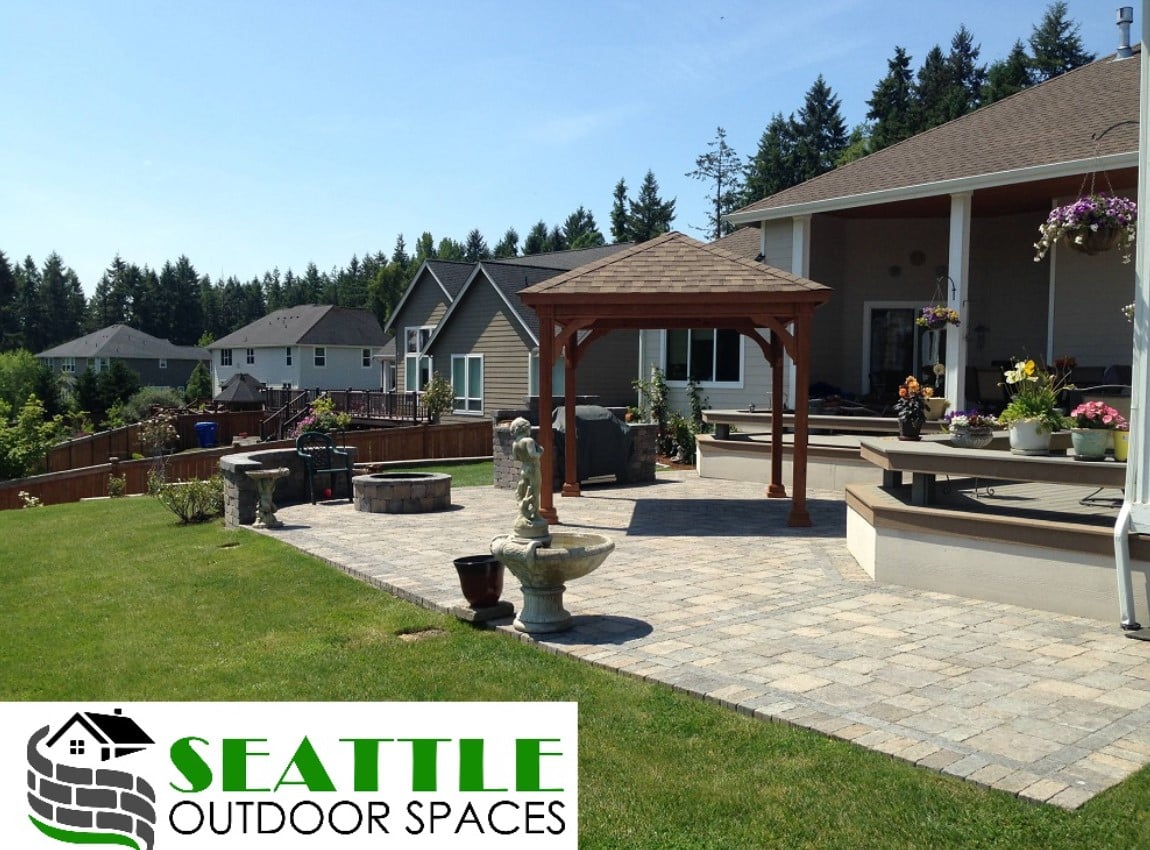
    The demand for enhanced outdoor spaces has significantly grown in recent years. As people increasingly prioritize creating functional and beautiful outdoor environments, outdoor space contractors have become essential. These professionals specialize in transforming backyards, patios, gardens, and other outdoor areas into personal sanctuaries for relaxation, entertainment, and even work. This article explores the roles, skills, and value that outdoor space contractors bring to homeowners and businesses alike.

    Outdoor Space Contractors

    What Are Outdoor Space Contractors?

    Outdoor space contractors are specialized professionals who design, build, and maintain outdoor living areas. Their expertise spans across landscaping, hardscaping, gardening, and construction, allowing them to work on projects ranging from small backyard makeovers to expansive commercial landscapes. They collaborate with clients to understand their vision, recommend suitable materials, and ensure the final product aligns with safety and sustainability standards.

    These contractors often work with a team that includes architects, landscape designers, horticulturists, and construction workers to deliver cohesive, well-rounded outdoor spaces. Depending on the project, they may also engage specialists such as electricians and plumbers, especially when integrating features like lighting, irrigation systems, outdoor kitchens, and pools.

    Why Hire an Outdoor Space Contractor?

    Hiring an outdoor space contractor offers several advantages:

    1. Expertise and Knowledge: With their extensive training and hands-on experience, contractors can transform ordinary outdoor spaces into exceptional retreats. They have a deep understanding of plant life, soil types, climate conditions, and building materials, allowing them to make informed choices for each project.
    2. Time and Cost Efficiency: Managing an outdoor project can be overwhelming. A contractor can handle all aspects, from planning to implementation, saving clients time and potential cost overruns. They have established relationships with suppliers and can often negotiate better prices for materials.
    3. Access to High-Quality Materials and Equipment: Outdoor contractors are equipped with professional-grade tools and have access to a broader range of materials than the average homeowner. This allows them to deliver high-quality, durable installations that are built to withstand weather and usage.
    4. Regulatory Compliance and Safety: Outdoor construction projects are subject to regulations and safety standards, especially those involving structural elements like decks, gazebos, or retaining walls. Contractors ensure that all work is compliant with local building codes, reducing risks associated with DIY projects.
    5. Enhanced Property Value: A well-designed and maintained outdoor space can increase a property’s resale value. Homebuyers are often drawn to houses with professionally landscaped yards, patios, and outdoor kitchens, making the investment in a contractor worthwhile.

    Key Services Offered by Outdoor Space Contractors

    Outdoor space contractors provide a variety of services, tailored to meet the unique needs of each client. These include:

    • Landscape Design and Installation: This involves creating layouts and selecting plants, trees, and shrubs that complement the property. Contractors may incorporate pathways, water features, and flower beds to enhance aesthetics and functionality.
    • Hardscaping: Hardscaping encompasses non-living elements like patios, decks, fences, and retaining walls. Skilled contractors choose materials that not only look appealing but also withstand environmental elements.
    • Outdoor Kitchens and Living Areas: Building outdoor kitchens, fire pits, or lounge areas can extend a home’s usable space. Contractors ensure these areas are weather-resistant and equipped with amenities like grills, refrigerators, and seating.
    • Irrigation Systems: To maintain lush landscaping, contractors install irrigation systems that provide efficient watering. This includes drip systems, sprinklers, and rainwater harvesting setups, all designed to conserve water and keep plants healthy.
    • Lighting: Proper lighting enhances both the ambiance and safety of outdoor spaces. Contractors install a range of lighting, from pathway lights to overhead fixtures for dining areas, using energy-efficient options like LED lights and solar-powered solutions.
    • Pool and Water Feature Construction: Whether it’s a swimming pool, fountain, or small pond, contractors have the skills to incorporate water elements that add tranquility and beauty to outdoor spaces.

    The Process of Hiring an Outdoor Space Contractor

    Engaging an outdoor space contractor involves several steps to ensure a successful project outcome:

    1. Research and Selection: It’s essential to find contractors with experience, qualifications, and positive reviews. Homeowners should ask for recommendations, read online testimonials, and review portfolios.
    2. Initial Consultation: Most contractors offer an initial consultation, where clients can discuss their ideas, preferences, and budget. This meeting helps establish the project scope and align expectations.
    3. Design and Proposal: Contractors then create a design plan that includes layout sketches, materials, and an estimated timeline. This stage allows clients to visualize the project and make adjustments before construction begins.
    4. Permitting and Regulations: For projects involving structural elements, contractors handle necessary permits and ensure all work adheres to local codes and regulations.
    5. Construction and Installation: Once the plan is approved, contractors coordinate the project’s execution, managing labor, materials, and scheduling to ensure timely completion.
    6. Post-Project Maintenance: Many contractors offer ongoing maintenance services, including seasonal planting, irrigation checks, and pest control. This ensures the outdoor space remains in top condition over time.

    Trends in Outdoor Space Design

    The design preferences in outdoor spaces have evolved, with an emphasis on sustainability, multifunctionality, and smart technology. Some notable trends include:

    • Eco-Friendly Landscaping: Homeowners are choosing native plants, rain gardens, and permeable surfaces to reduce water usage and promote environmental sustainability.
    • Outdoor Living Rooms: More people are investing in complete outdoor living setups, featuring comfortable furniture, rugs, and decor, blurring the line between indoor and outdoor spaces.
    • Smart Technology Integration: Outdoor spaces now incorporate technology like app-controlled lighting, automated irrigation systems, and sound systems, adding convenience and enhancing the user experience.
    • Edible Gardens: With a rise in interest in organic foods and sustainable living, edible gardens featuring vegetables, herbs, and fruit trees are becoming popular additions to residential properties.

    Selecting the Right Materials for Outdoor Spaces

    Choosing the right materials is crucial in outdoor projects as they must withstand weather conditions while maintaining aesthetic appeal. Some popular materials include:

    • Stone and Concrete: These durable materials are ideal for pathways, patios, and retaining walls. They can be customized to fit various styles, from rustic to contemporary.
    • Wood: Commonly used for decks and fences, treated wood and composite materials offer durability and a natural look.
    • Metal: Weather-resistant metals like aluminum and stainless steel are excellent for furniture and accents, adding a modern touch to outdoor spaces.
    • Sustainable Materials: Recycled and reclaimed materials, such as rubber and repurposed wood, are increasingly popular for eco-friendly projects.

    Challenges Faced by Outdoor Space Contractors

    Outdoor space contractors face several challenges, including:

    • Weather-Dependent Scheduling: Inclement weather can delay projects, making it challenging to adhere to timelines, especially for projects with tight deadlines.
    • Cost Fluctuations: The cost of materials can fluctuate, impacting the overall budget. Contractors must account for these changes to avoid passing unexpected expenses onto clients.
    • Environmental Factors: Each location has unique environmental challenges, from soil conditions to climate, that can impact the types of plants and materials used.
    • Client Expectations vs. Budget: Balancing a client’s vision with their budget can be difficult. Contractors must be skilled at offering alternatives that achieve a similar aesthetic or function without compromising quality.

    The Future of Outdoor Space Contracting

    The role of outdoor space contractors will likely expand as outdoor spaces become integral to modern living. Emerging technologies, sustainable practices, and multifunctional designs are likely to drive future trends in this field. As more people recognize the mental and physical benefits of spending time outdoors, contractors will continue to create personalized, sustainable, and enjoyable spaces that cater to diverse needs and preferences.

    In conclusion, outdoor space contractors play a vital role in transforming outdoor environments into functional, aesthetically pleasing spaces. Their expertise and skills enable homeowners and businesses to maximize the potential of their outdoor areas, adding both value and beauty. As the demand for outdoor living spaces continues to grow, contractors will remain key players in helping people create the outdoor sanctuaries of their dreams.

    Read More :

  • How to Install an Outdoor Fireplace: A Step-by-Step Guide

    How to Install an Outdoor Fireplace: A Step-by-Step Guide

    An outdoor fireplace can transform your backyard into a cozy, inviting space for entertaining or simply relaxing on a cool evening. Installing an outdoor fireplace may seem challenging, but with the right guidance and planning, it’s an achievable project. Here’s a comprehensive guide on installing an outdoor fireplace, from selecting the perfect location to safety precautions.

    How to Install an Outdoor Fireplace

    1. Planning and Preparation

    Before you start building, spend time planning the location, type, and design of your outdoor fireplace.

    Choose the Right Location

    Consider wind direction, proximity to trees or structures, and accessibility. A spot with a natural wind break is ideal, as it will help keep smoke directed away from seating areas. Ensure it’s far enough from structures to avoid fire hazards and comply with local building codes.

    Check Local Building Codes

    Most areas have regulations on outdoor fireplaces, including safe distances from buildings and property lines. Check with your local municipality and secure any required permits before beginning your installation.

    Design and Style

    There are numerous styles to choose from, like traditional stone fireplaces, modern steel fireplaces, or fire pits. Decide if you prefer a permanent fixture or a portable option. Permanent fireplaces often add more value to your property, while portable models provide flexibility.

    2. Gathering Materials and Tools

    For a masonry outdoor fireplace, you’ll need materials like bricks or stones, mortar, and concrete. Alternatively, for a pre-fabricated model, kits usually include all necessary materials.

    Basic tools you might need include:

    • Shovel
    • Trowel
    • Level
    • Masonry saw
    • Wheelbarrow
    • Mortar mixer

    3. Building the Foundation

    A solid foundation is essential for stability and safety.

    Excavation

    Dig a trench that matches the dimensions of your fireplace base, usually about 6–12 inches deep, depending on your soil type and the fireplace’s weight.

    Pouring the Concrete Base

    Pour a concrete base in the trench, level it with a trowel, and let it cure for at least 24 hours. This base will support the weight of the fireplace and prevent shifting or sinking over time.

    4. Constructing the Fireplace

    Now, it’s time to build the body of the fireplace.

    Laying the Bricks or Stones

    Using a trowel, spread a layer of mortar on the base and start laying bricks or stones. Work slowly, using a level to ensure evenness. Apply mortar between layers as you build up, following the fireplace design. Make sure to let each layer set before moving on to the next.

    Creating the Firebox

    The firebox is the inner chamber where the fire will burn. Line the firebox with firebricks, which are specifically designed to withstand high temperatures, to ensure longevity and safety.

    Building the Chimney

    The chimney helps direct smoke up and away from the seating area. Follow your design’s specifications carefully when constructing the chimney, as it must be structurally sound and tall enough to allow for proper ventilation.

    5. Adding Finishing Touches

    Once the main structure is complete, it’s time to add any desired finishing touches.

    Customize with Stone or Tile

    Consider adding a decorative stone or tile veneer around the exterior for aesthetic appeal. You can also add a mantel or seating area to enhance the fireplace’s functionality.

    Install a Spark Guard

    A spark guard or screen can protect your outdoor area from embers and sparks, especially on windy nights. This feature is essential if you’re in an area with vegetation or close to other flammable materials.

    6. Safety Precautions and Maintenance

    Once your outdoor fireplace is installed, safety should be a top priority.

    Fire Safety Guidelines

    • Keep a bucket of sand or a fire extinguisher nearby.
    • Never leave the fire unattended, especially around children or pets.
    • Avoid burning softwoods like pine or spruce, as they can create excessive smoke and sparks.

    Regular Maintenance

    Inspect your outdoor fireplace periodically for cracks or damage. Clear out ashes and debris after each use, and clean the chimney once a year to prevent buildup.

    Conclusion

    Installing an outdoor fireplace can be a rewarding project that enhances your outdoor space. With careful planning, the right materials, and attention to safety, you can create a beautiful, functional feature for your backyard that you’ll enjoy for years to come. Happy building!