Category: Tools

  • Aluminum Siding Installation: A Comprehensive Guide

    Aluminum Siding Installation: A Comprehensive Guide

    Aluminum siding has become a popular choice among homeowners due to its durability, resistance to weathering, and relatively low maintenance needs. It’s also a lightweight material, making it easier to handle during installation compared to other types of siding. This guide will walk you through the entire aluminum siding installation process, from understanding the material’s benefits to step-by-step instructions for a successful application. By the end of this article, you’ll have a solid understanding of what aluminum siding installation involves and how to approach it with confidence.
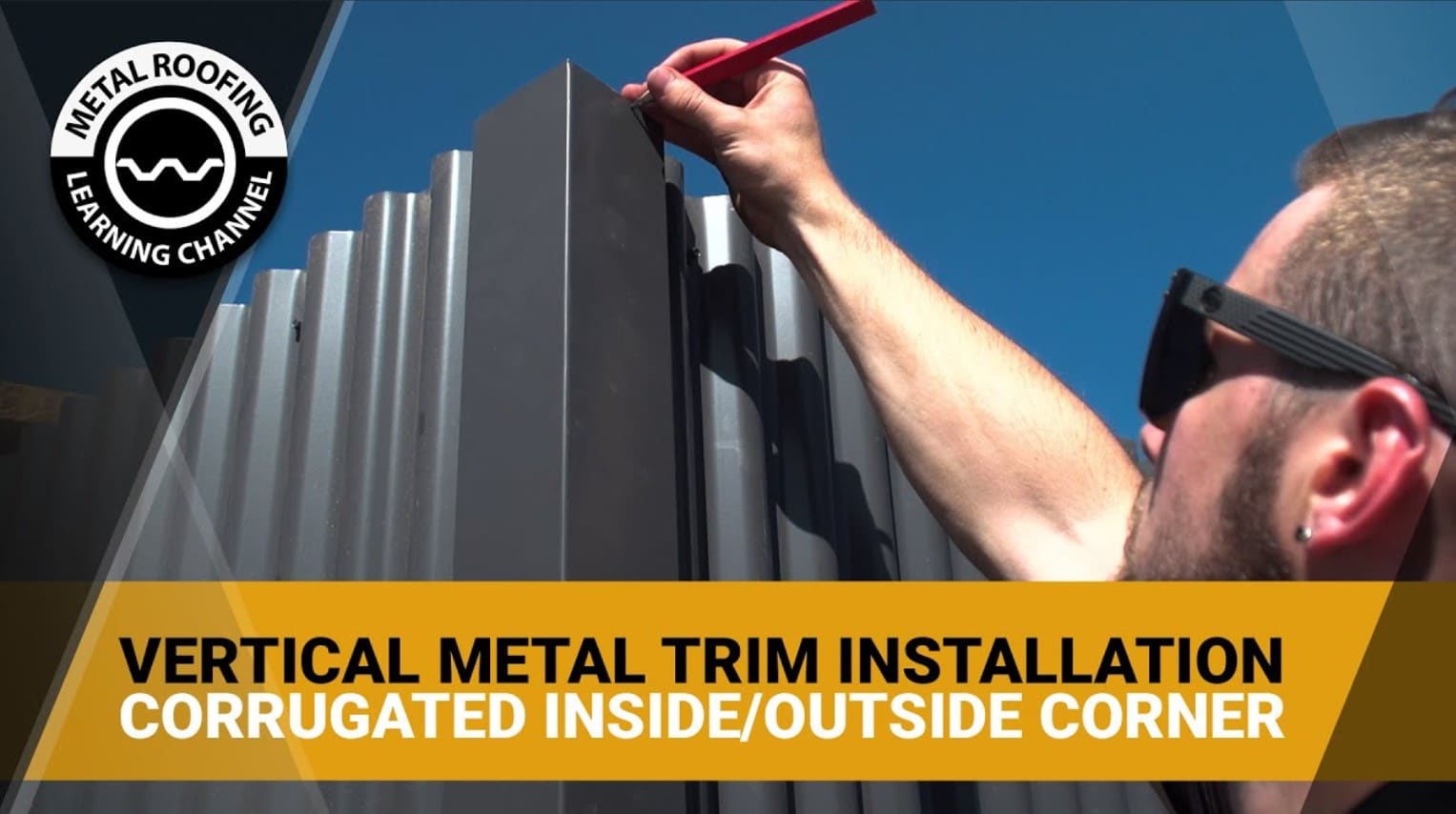
    Aluminum Siding Installation

    1. Why Choose Aluminum Siding?

    Aluminum siding is a practical and durable option, offering several advantages over wood, vinyl, and fiber cement. Some of the benefits include:

    • Durability: Aluminum is resistant to rust and corrosion, which makes it an ideal choice for homes in coastal or humid environments. It’s also less prone to cracks or breakage, making it more resilient to impacts.
    • Low Maintenance: Unlike wood siding, which requires regular staining or painting, aluminum siding usually only requires periodic cleaning to look its best. Many homeowners find that aluminum siding can last for decades with minimal upkeep.
    • Fire Resistance: Aluminum is non-combustible, providing an extra layer of fire safety for the home.
    • Environmental Benefits: Aluminum is recyclable, making it an eco-friendly choice. It also provides decent insulation, which can help reduce energy costs.

    Choosing aluminum siding is often a long-term investment, and the installation process, when done correctly, ensures that this siding will protect and enhance your home for many years to come.

    2. Preparation for Installation

    Before starting the installation, it’s essential to prepare the area and ensure you have the right tools. Here’s what you’ll need:

    • Tools: Hammer, nails, measuring tape, chalk line, utility knife, circular saw with a metal-cutting blade, metal shears, level, and safety goggles.
    • Materials: Aluminum siding panels, corner posts, starter strips, utility trim, J-channel, and caulking material.
    • Inspection: Check the wall surface to make sure it’s flat and smooth. Remove any old siding or nails and replace damaged wood sheathing if necessary. For best results, install a moisture barrier (such as a house wrap) before adding aluminum siding.

    The foundation for a successful installation lies in proper preparation. Ensuring that all materials and tools are available from the beginning helps prevent delays and mistakes.

    3. Step-by-Step Installation Process

    Step 1: Install the Moisture Barrier

    Before installing aluminum siding, apply a moisture barrier over the sheathing. This protects your walls from moisture and helps with insulation. House wrap or felt paper can serve as an effective moisture barrier. Attach it using a staple gun, and ensure there are no gaps.

    Step 2: Install the Starter Strip

    The starter strip is crucial for aligning the first row of siding. Begin at the lowest point of the wall and measure up based on the width of your siding panels, making sure the strip is level. Use a chalk line to mark this measurement, then attach the starter strip along this line with nails. Place nails approximately every 16 inches to ensure a secure hold.

    Step 3: Attach the Corner Posts

    Corner posts provide a finished look and give your siding a place to connect at the edges. Position the corner posts vertically at each corner of the house and nail them securely in place. Ensure they are plumb (vertically straight) using a level, and leave about a ¼-inch gap at the top and bottom for expansion due to temperature changes.

    Step 4: Measure and Cut the Siding Panels

    Measure the length required for each panel, then use a circular saw or metal shears to cut the panels to size. It’s helpful to cut slightly longer than necessary, as you can trim excess as you fit the panels. Aluminum is prone to bending, so handle panels with care.

    Step 5: Attach the Panels

    Starting with the bottom panel, lock it into the starter strip and nail it in place. Place nails in the center of the nail slots, about every 16 inches, to allow for slight movement of the siding due to temperature changes. Avoid nailing too tightly; the panels should be secure but able to expand and contract slightly. Each successive row should overlap the previous one to create a seamless look.

    Step 6: Install J-Channels Around Openings

    J-channels provide a clean edge around windows, doors, and other wall openings. Install J-channels around these areas before attaching the siding panels. Cut the channels to fit around each opening, and make sure they are level and secure.

    Step 7: Add Utility Trim and Finish the Top Row

    As you reach the top of the wall, the final row of siding will likely need trimming to fit. Cut the panel to the correct width and snap it into a utility trim to hold it securely in place. Use caulking to seal gaps between the siding and trim for a neat finish.

    4. Safety Tips for Installation

    • Wear Safety Gear: Aluminum siding can have sharp edges, so wear gloves and safety goggles to protect yourself.
    • Ladder Safety: If your home has two stories or more, you’ll need a ladder or scaffolding. Always secure the ladder on a stable surface and avoid working alone when at heights.
    • Handle Aluminum Carefully: Aluminum is durable when installed but can be dented or scratched during handling. Avoid dropping or hitting the panels against surfaces.

    5. Maintenance Tips for Aluminum Siding

    One of the best aspects of aluminum siding is its low maintenance. However, periodic care can extend its lifespan and keep it looking its best.

    • Cleaning: Wash your aluminum siding at least once a year with a garden hose and a mild detergent. For tougher grime, use a soft-bristled brush.
    • Painting: If the color fades over time, aluminum siding can be repainted. Choose a high-quality, latex-based paint and make sure the surface is clean and dry before painting.
    • Repairing Dents: Small dents can sometimes be smoothed out by carefully tapping with a rubber mallet. For larger dents, you may need to replace the affected panel.

    6. Common Challenges and Troubleshooting

    While aluminum siding installation is relatively straightforward, some challenges can arise. Here are some common issues and solutions:

    • Expansion and Contraction: Aluminum siding expands and contracts with temperature changes. Avoid over-nailing and leave a slight gap between panels to accommodate this movement.
    • Panel Warping: Improper installation, such as nailing too tightly, can cause the panels to warp. Follow nailing guidelines to ensure flexibility.
    • Weather Issues: Aluminum siding installation is best done in mild weather. Cold temperatures can make the panels more brittle, while high temperatures can cause expansion, making installation difficult.

    7. Cost Considerations

    The cost of installing aluminum siding varies depending on the size of the home, the quality of the siding, and whether you hire a professional or do it yourself. On average, aluminum siding costs between $2 and $5 per square foot for materials, with an additional $1 to $3 per square foot if you opt for professional installation. While the initial cost may be higher than vinyl siding, aluminum’s durability and low maintenance can make it a cost-effective choice over time.

    8. Is DIY Installation Right for You?

    While DIY installation can save on labor costs, it requires time, patience, and attention to detail. Aluminum siding installation involves measuring, cutting, and securing panels in place, so basic carpentry skills are helpful. If you’re comfortable using the required tools and following precise measurements, DIY installation may be feasible. However, for those without prior experience, hiring a professional can ensure a high-quality, lasting installation.

    Conclusion

    Aluminum siding installation is a valuable home improvement project that provides durability, energy efficiency, and a visually appealing finish. By following a systematic approach, you can successfully install aluminum siding and enjoy its benefits for many years. Whether you choose to DIY or hire a professional, understanding the installation process and proper maintenance practices will help you maximize your investment.

    Read More :

  • Adding MyQ to Vivint: A Comprehensive Guide

    Adding MyQ to Vivint: A Comprehensive Guide

    In recent years, smart home technology has taken the world by storm, enabling homeowners to automate, control, and secure their living spaces with ease. Among the popular brands and systems that enhance the functionality and security of smart homes, Vivint and MyQ stand out. Vivint is known for its robust home security and automation solutions, while MyQ, developed by Chamberlain, focuses on smart garage door openers that provide users with control and monitoring capabilities. Integrating MyQ with a Vivint system is a practical and efficient way to enhance your home’s convenience, security, and automation potential. This article delves into the benefits, setup process, compatibility, and troubleshooting tips to help you seamlessly add MyQ to your Vivint system.

    Adding MyQ to Vivint

    What is MyQ?

    MyQ is a smart garage door opener system by Chamberlain that allows homeowners to open, close, and monitor their garage doors remotely. Using the MyQ app on a smartphone or tablet, users can receive real-time notifications about the status of their garage door, automate opening and closing schedules, and integrate with other smart home platforms. MyQ offers a unique solution for those who value both security and convenience, as it ensures that the garage door can be operated from virtually anywhere with internet access.

    What is Vivint?

    Vivint is a leading home security and automation company that provides a wide range of products, including smart cameras, doorbells, locks, thermostats, and security systems. Vivint’s primary advantage lies in its all-in-one platform that allows users to control various aspects of their smart home from a single app. With professional monitoring and easy access to automation features, Vivint systems are a top choice for homeowners looking for an integrated, customizable, and user-friendly solution.

    Benefits of Integrating MyQ with Vivint

    Integrating MyQ with Vivint can significantly enhance the usability of both systems, providing a more cohesive and streamlined smart home experience. Here are some of the key benefits:

    1. Improved Security and Monitoring
      With MyQ integrated into the Vivint system, users can monitor their garage door’s status alongside other security devices, such as cameras and door sensors. This ensures that your garage, often a vulnerable entry point, is secured and accessible only to authorized individuals.
    2. Unified Control
      Instead of switching between the MyQ and Vivint apps, users can control their garage door from the Vivint app itself. This unified control makes it easier to manage all your smart devices, offering a seamless user experience and reducing app clutter on your smartphone.
    3. Enhanced Automation
      By connecting MyQ with Vivint, homeowners can create customized automation sequences. For example, you can set your garage door to close automatically when you activate your security system or when you leave a designated area. This adds an extra layer of convenience and security to your daily routine.
    4. Alerts and Notifications
      The integration allows you to receive notifications through the Vivint app if your garage door is left open for a certain period. Additionally, you can set up alerts for specific actions, such as the garage door opening while you’re away, providing peace of mind and immediate awareness of any unusual activity.
    5. Energy Efficiency
      Integrating MyQ with Vivint can contribute to better energy management in your home. For instance, you can create automated routines where the garage door closes and the thermostat adjusts to an energy-saving mode when no one is home.

    Setting Up MyQ with Vivint

    The integration process may vary depending on the specific models of your MyQ garage door opener and Vivint system. Here’s a general step-by-step guide to setting up MyQ with Vivint:

    Step 1: Ensure Compatibility

    Before proceeding, check if your MyQ garage door opener is compatible with Vivint. While many Chamberlain MyQ products are supported, it’s best to consult both the MyQ and Vivint support pages or contact their customer support to confirm compatibility. If your garage door opener is not MyQ-enabled, you might need to purchase a MyQ Smart Garage Hub to facilitate the integration.

    Step 2: Set Up MyQ

    1. Download the MyQ App
      If you haven’t already, download the MyQ app from the App Store (iOS) or Google Play Store (Android).
    2. Create an Account
      Open the app and follow the on-screen instructions to create a MyQ account. Ensure you verify your email address, as this will allow you to link MyQ with third-party services.
    3. Add Your Garage Door Opener
      Follow the app’s instructions to add your MyQ-compatible garage door opener. This typically involves pressing a “Learn” button on your opener and connecting it to your Wi-Fi network.
    4. Test the MyQ App
      Once the setup is complete, test the app to ensure that you can open and close the garage door remotely and receive notifications.

    Step 3: Integrate MyQ with Vivint

    1. Open the Vivint App
      Log in to your Vivint app on your smartphone or tablet.
    2. Navigate to Device Settings
      In the app’s menu, locate the “Works with Vivint” or “Add Device” section. This is where you can add compatible third-party devices like MyQ.
    3. Select MyQ
      Choose MyQ from the list of supported devices and follow the on-screen instructions to link your MyQ account with Vivint. You may need to enter your MyQ account credentials to complete this step.
    4. Authorize the Integration
      Once linked, authorize Vivint to access and control your MyQ devices. This will enable the Vivint app to manage your garage door opener and incorporate it into your home automation system.
    5. Test the Integration
      After completing the setup, test the integration by attempting to open and close your garage door through the Vivint app. Verify that you receive notifications and that automation settings function as expected.

    Troubleshooting Common Issues

    If you encounter any issues during the setup process or after integrating MyQ with Vivint, here are a few troubleshooting tips:

    • Check Wi-Fi Connectivity
      Ensure that both the MyQ garage door opener and your Vivint control panel are connected to a stable Wi-Fi network. Connectivity issues are a common cause of integration problems.
    • Update Firmware
      Outdated firmware can affect the functionality of both MyQ and Vivint devices. Check for any firmware updates in both the MyQ and Vivint apps and install them if available.
    • Reauthorize the MyQ Integration
      If the integration stops working, try disconnecting and reconnecting your MyQ account with Vivint. This can often resolve connectivity issues.
    • Contact Support
      If you’re still experiencing issues, consider contacting MyQ or Vivint customer support for further assistance. They can provide tailored guidance based on your specific devices and setup.

    Tips for Optimizing Your MyQ and Vivint Integration

    1. Automate Routines
      Use Vivint’s automation settings to create routines based on your daily schedule. For instance, you can automate your garage door to close automatically when you arm the Vivint security system.
    2. Add Family Members
      You can grant access to family members or trusted individuals through both the MyQ and Vivint apps. This ensures that everyone in your household can control the garage door without needing your device.
    3. Use Geofencing
      Some Vivint systems support geofencing, allowing you to set up location-based triggers. This can automatically close the garage door as you leave your neighborhood or open it as you approach home.
    4. Regularly Review Security Settings
      Since your garage door is a primary access point to your home, it’s essential to review security settings regularly. Enable two-factor authentication on both MyQ and Vivint apps for added protection.

    Conclusion

    Integrating MyQ with Vivint combines the best of both worlds: MyQ’s reliable garage door management and Vivint’s comprehensive home automation platform. This integration offers a unified control solution, increased security, and the ability to automate daily routines. By following the steps outlined in this guide, homeowners can achieve a seamless and secure smart home experience, maximizing the value of their MyQ and Vivint systems. Whether for convenience, enhanced security, or energy efficiency, the addition of MyQ to a Vivint system is a worthwhile investment for any smart home enthusiast.


    See More :